Summer Rerun: Return of the Living Dead 3 (1993).
The busy minions at Desuko World HQ are taking a well-deserved summer vacation, so in the meantime, enjoy these favorite posts from the past. [Originally published April 6, 2007]
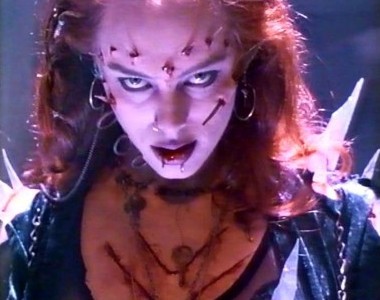 The Scoop:
One would think that this was just another hack-job horror sequel — and one would be right, up to a point. But his film has a little something extra which makes it stand out from the crowd.
A rebellious teenager (J. Trevor Edmond) gets into a fight with his Army officer father (“Emergency’s” Kent McCord) — who works at a top-secret base studying the gas that turns corpses into the living dead — and runs away with his girlfriend Julie (Mindy Clarke). They don’t get too far before Julie gets fatally injured in a motorcycle accident. Of course, her dunderheaded boyfriend has the brilliant idea of breaking into dad’s lab and using the gas to bring her back to life. The results are unique — she appears to be okay, but slowly begins showing signs of encroaching zombie-ism. There are some great scenes in which Clarke and director Brian Yuzna communicate the poignancy of the ongoing transformation and its effect on the couple’s romance. Unfortunately, these alternate with scenes filled with the purest, lamest horror sequel clichés. Imagine two screenwriters — one an Oscar winner, the other a brain-dead moron — being asked to write scripts on the same premise, then randomly splicing the two scripts together and allowing all the seams to show. The result would be something like this movie. Still, Clarke is pretty sexy and does a decent job with the “good” material — plus, the scene where she prepares to kick evil zombie butt by piercing herself with scrap metal has a certain S&M kick to it.
This film also manages to somehow to have three “endings” — two scenes that would’ve been perfectly good resolutions to the story, and one which really is the end. If it had closed after the first “ending,” the film might arguably be called a sleeper classic. Even if they had finished with the second “ending,” the filmmakers could have saved some face. Unfortunately, they let the final act drag out far too long.
Best Bit:
The piercing scene.
Side Note:
Clarke was a regular on “Days of Our Lives” and has made guest appearances on “Seinfeld,” “Sliders” and “Xena: Warrior Princess.”
Companion Viewing:
George Romero’s orginal living dead trilogy — “Night of the Living Dead” (1968), “Dawn of the Dead” (1979) and “Day of the Dead” (1985) — as well as the first “Return of the Living Dead” (1985).
Links:
IMDb.
The Flesh Farm.
Robert Llewellyn’s Classic Films.
Take a Look:
The trailer:
Guest Blog: Answers to Vince’s Quiz.
Remember the quiz that Vince from Vince’s Quiz so graciously guest blogged for us? Well, here are the answers! He chose the stars of the films listed in my Blogger profile as my favorites. Rascally guy…
1. Hal 9000 (voiced by Douglas Rain) (2001: A Space Odyssey)
2. Marlon Brando (Apocalypse Now)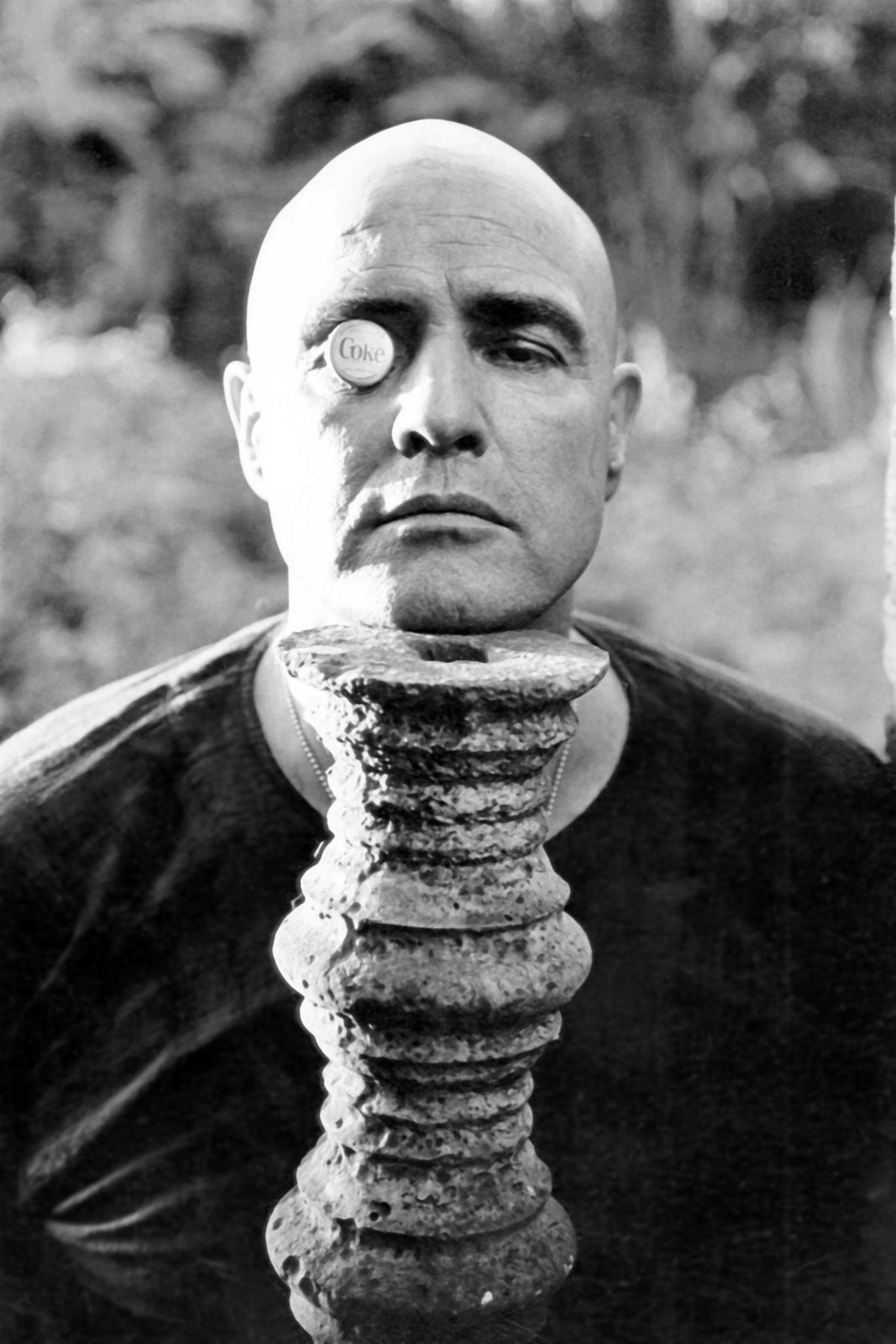
3. Jack Webb (Dragnet)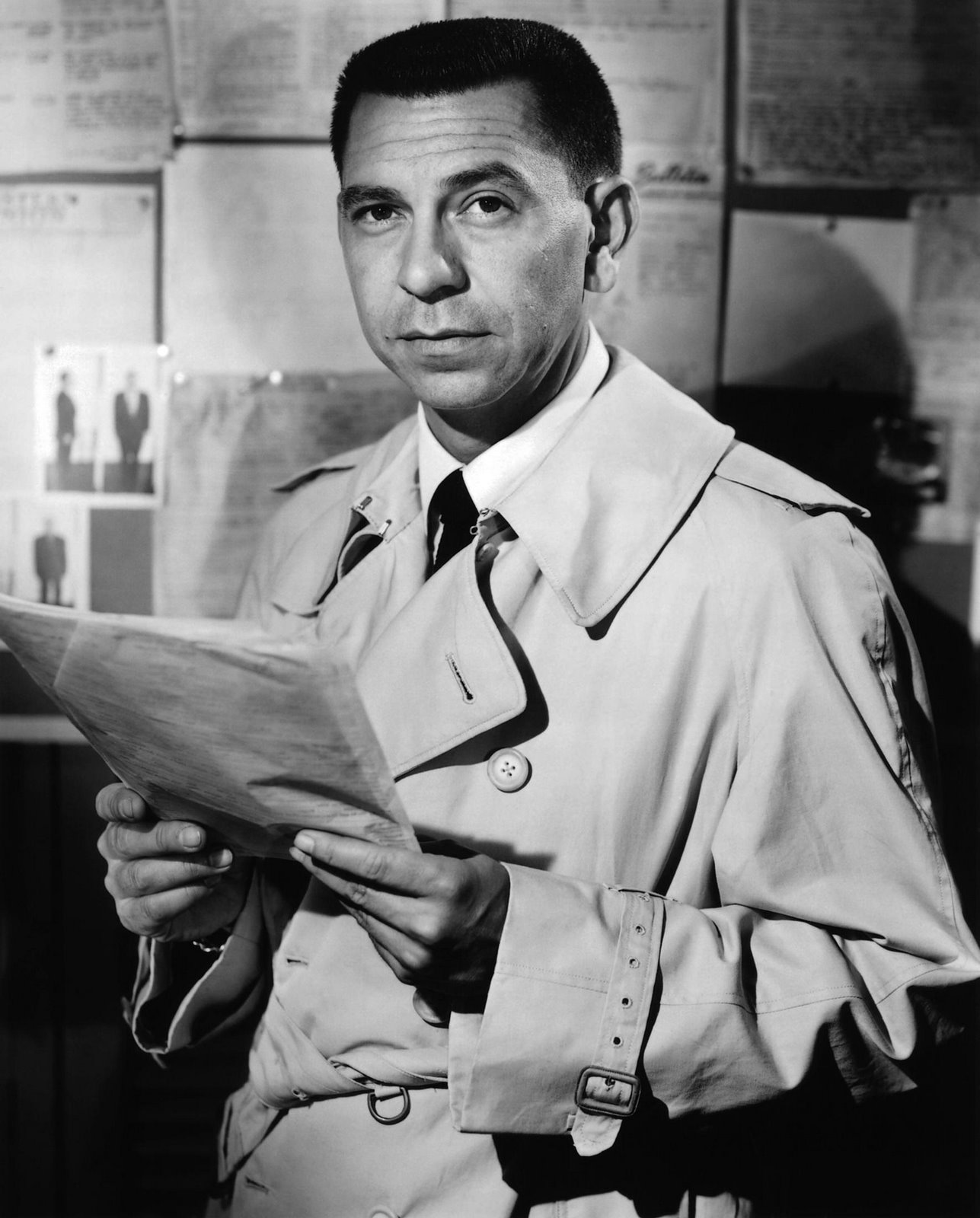
4. Cary Grant (His Girl Friday)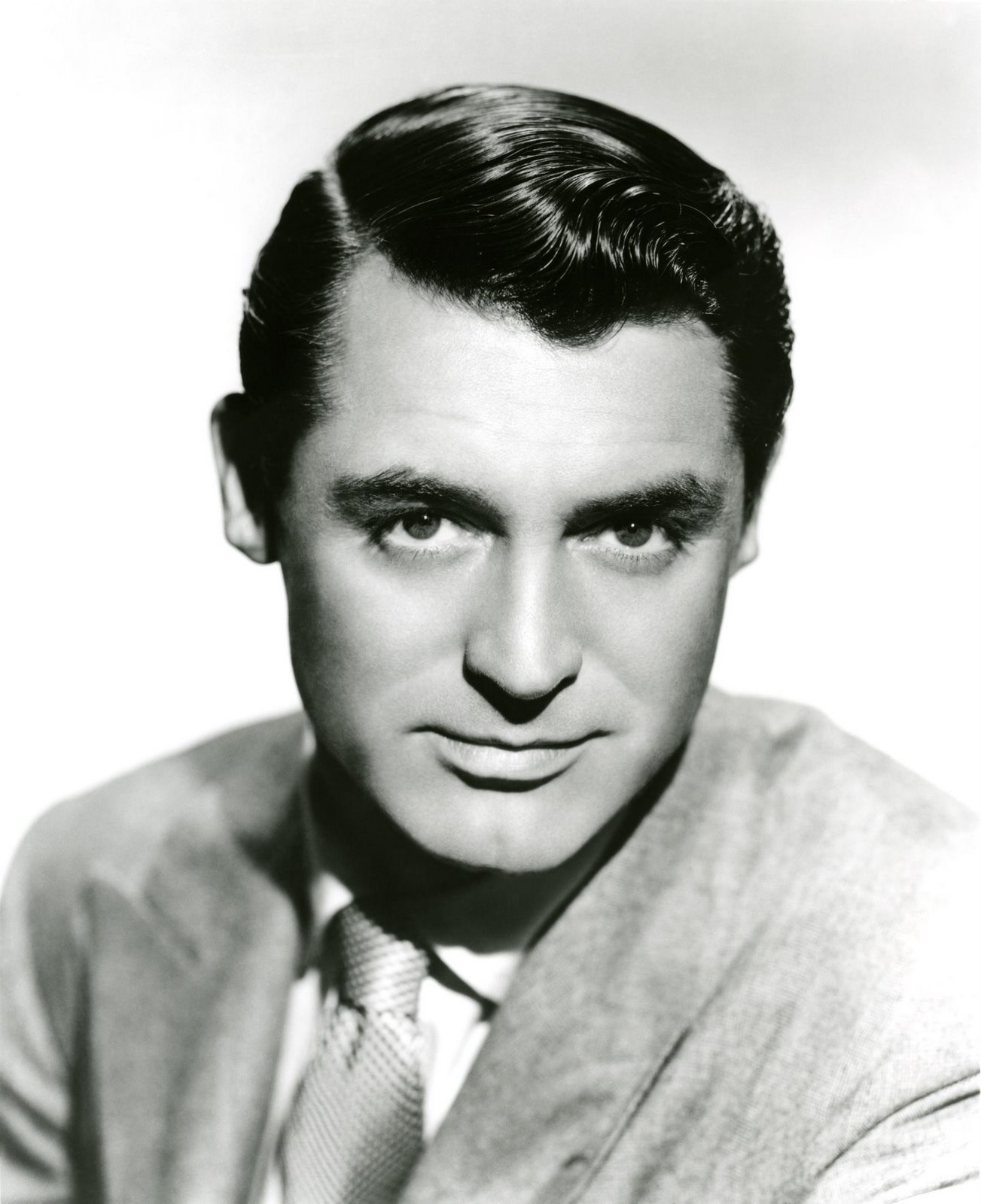
5. Sally Kellerman (M*A*S*H)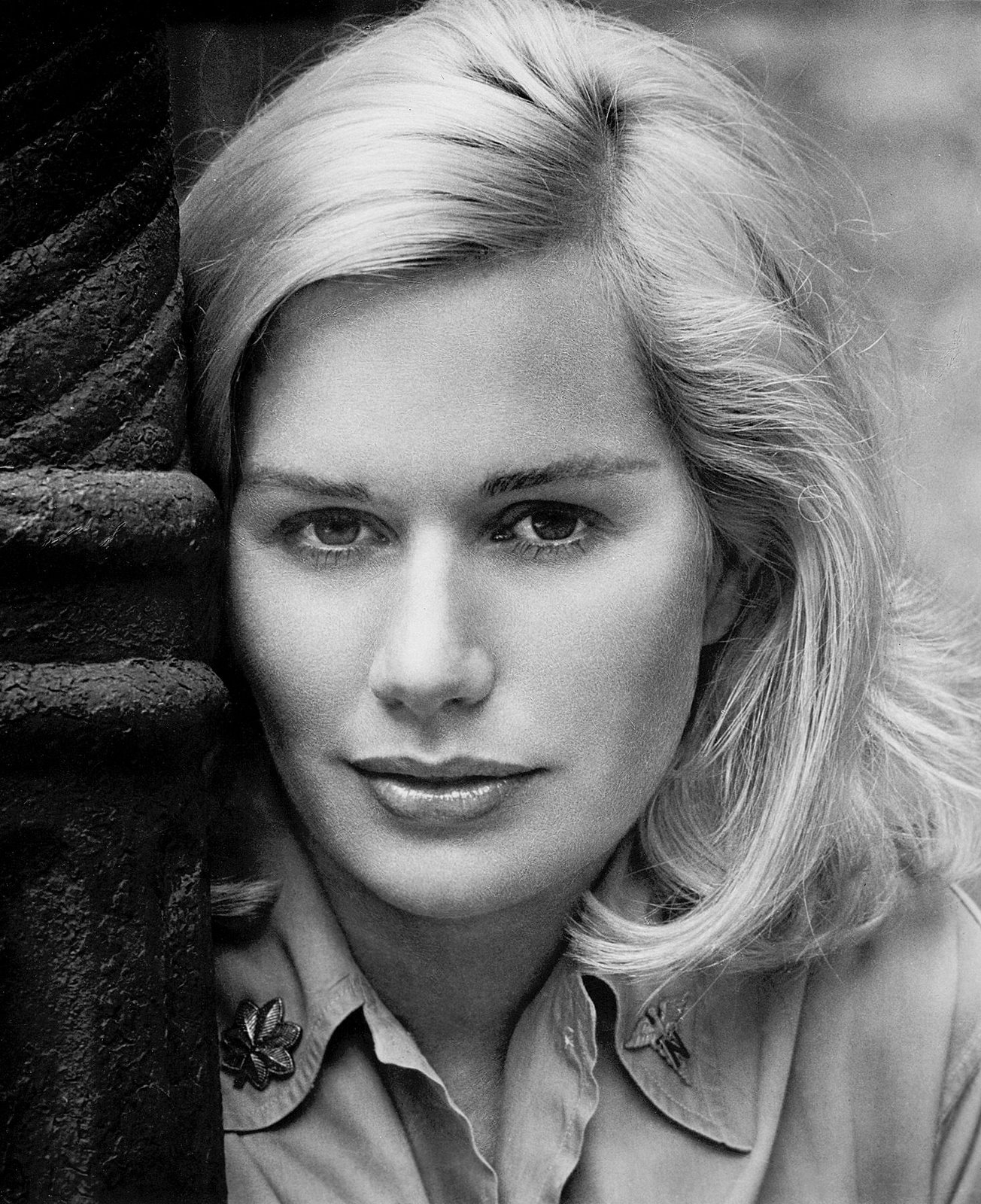
6. Uma Thurman (Pulp Fiction)
7. Harvey Keitel (Reservoir Dogs)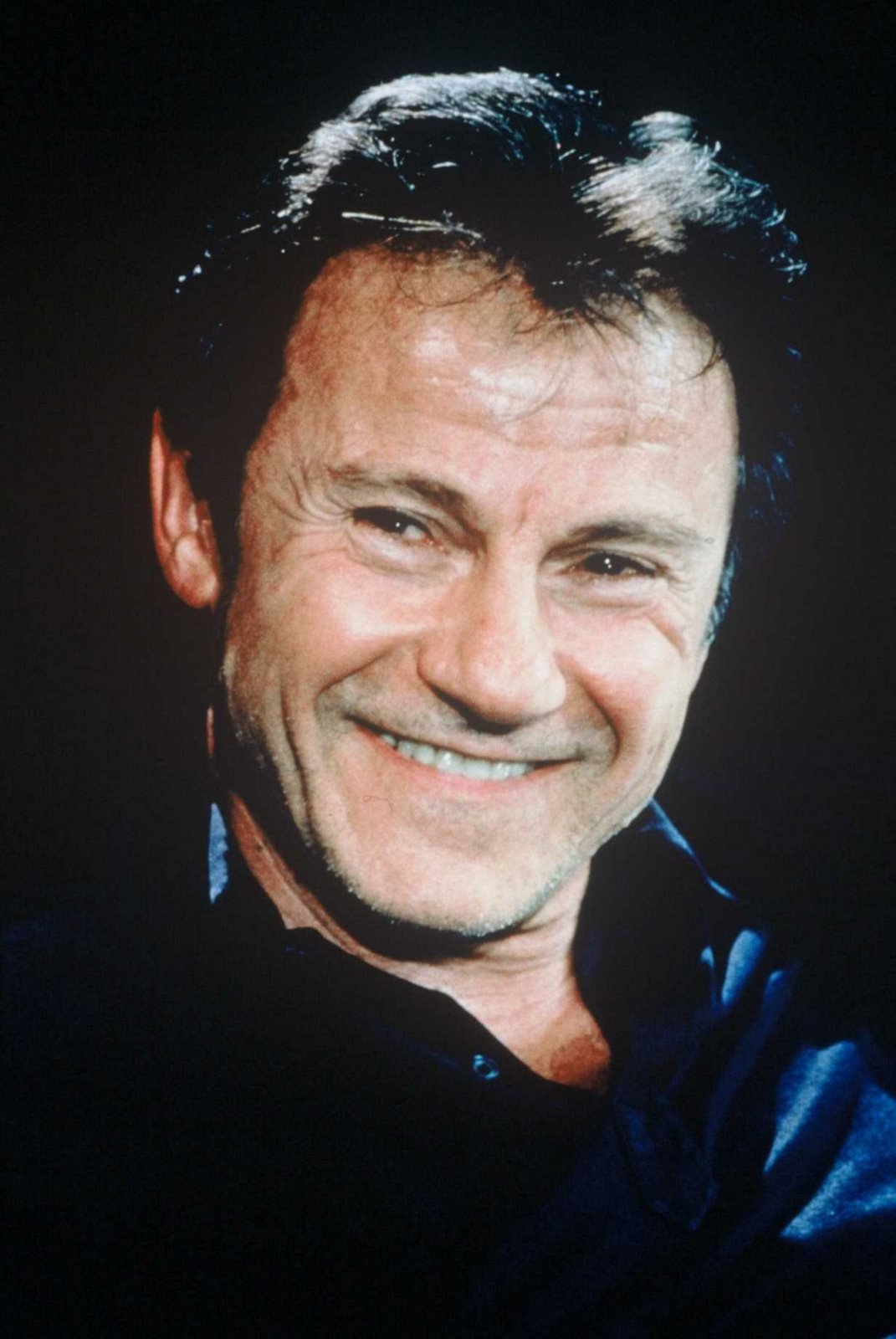
8. Carrie Fisher (Star Wars)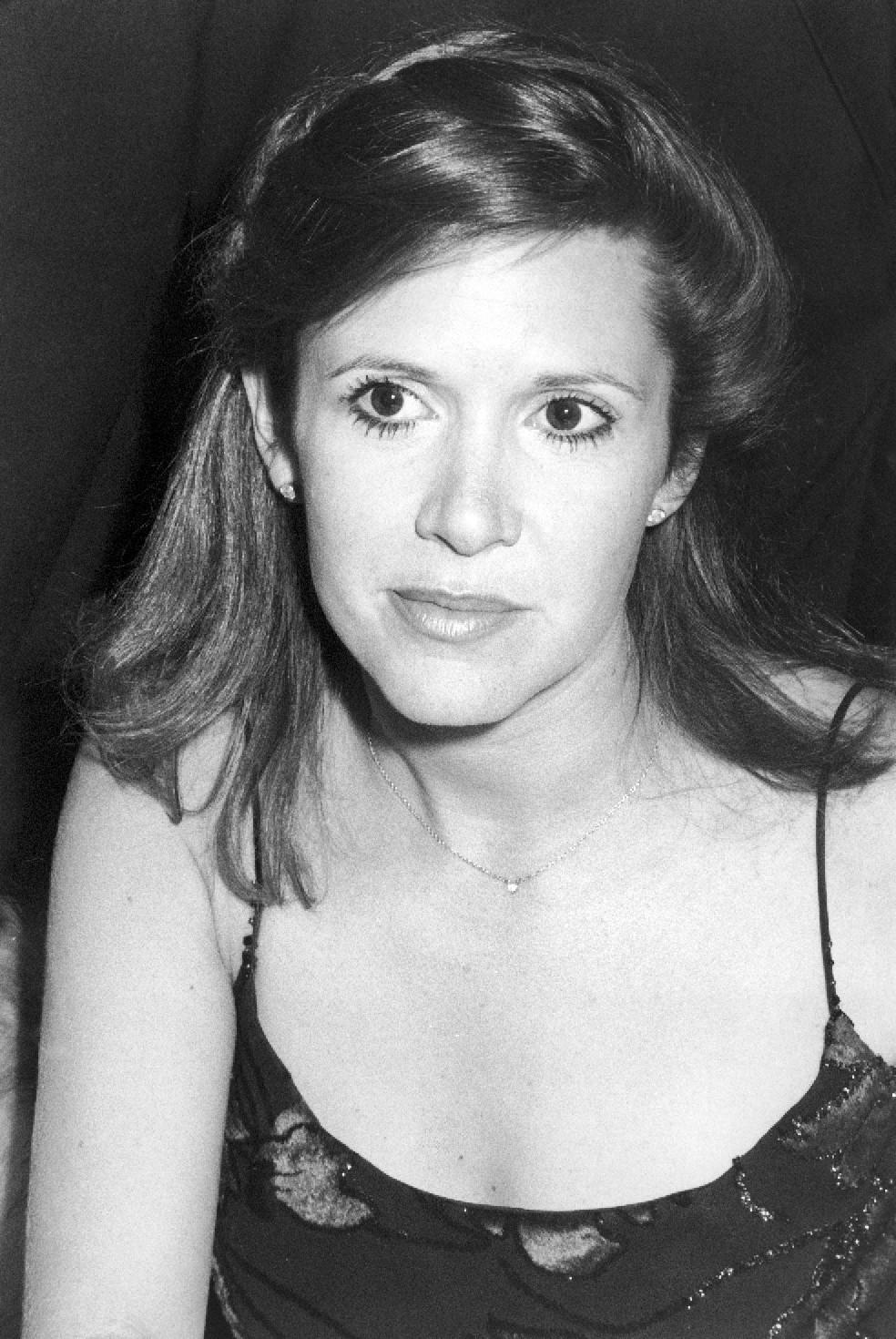
9. John Goodman (True Stories)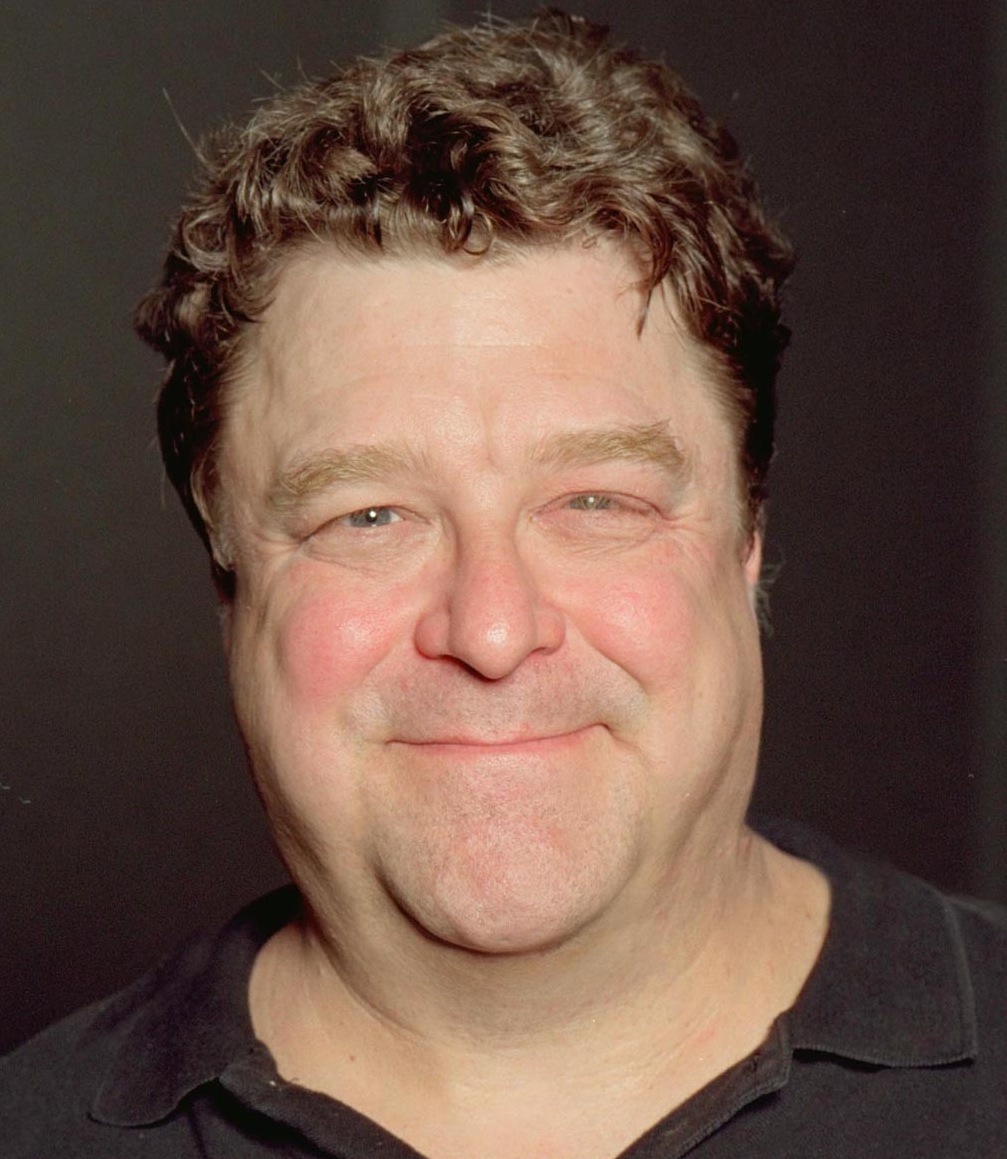
Summer Rerun: 200 Motels (1971).
The busy minions at Desuko World HQ are taking a well-deserved summer vacation, so in the meantime, enjoy these favorite posts from the past. [Originally published Jan. 6, 2009]
 The Scoop:
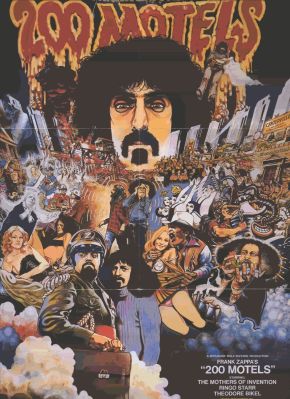
Part rock opera, part tour exposé, part vanity project, part absurdist theater, part experiemental music video — Frank Zappa’s “200 Motels” can be a tough nut to crack.
Zappa and the early-1970s version of his band, the Mothers of Invention, had an ongoing fascination with the life of a touring rock band. This fascination found its way into their music, and their shows became increasingly elaborate musical theater pieces full of songs, skits and jokes centered around sex, drugs and other outrageous behavior. It was all based on things they had done themselves, or on the stories that made the rounds among other groups. This exploration of the lifestyle finally culminated in “200 Motels.”
Beneath all the madness and surrealism of the film, there is a plot of sorts — Zappa (played by Ringo Starr) and the Mothers (who all play themselves) roll into the generic American town of Centerville looking for a good time. There, they cross paths with a pair of groupies (Janet Ferguson and Lucy Offerall), the devil (Theodore Bikel), a nun (Keith Moon) and a host of other strange characters.
Many of the situations come right from the Mothers’ tour experiences, and much of the dialogue is based on transcripts of conversations captured by Zappa and his cassette recorder during downtime on the road. The result is surprisingly genuine, despited the intentionally stilted delivery of the troupe of non-actors and Zappa’s notorious ironic detachment from his material.
Musically, the work here comes from one of Zappa’s most fertile periods, and it finds following two different creative strands. With the Mothers, he creates some straight-ahead, powerful blues rock that would not sound out of place alongside the Allman Brothers, Zeppelin or even Sabbath. These songs are interspersed with FZ’s more experimental compositions, performed by the Royal Philharmonic Orchestra. These pieces represent a turning point in his avant garde career, both looking back to the studio-bound “sound sculptures” of his early albums and also foreshadowing the orchestral work he would do in earnest a decade later.
For Zappa neophytes, “200 Motels” (both the film and the soundtrack album) is probably not the best introduction to the man’s work. But for fans it is essential and rewards close, repeated viewings.
Best Line:
“The fuckin’ devil’s got an English accent. I seen him three weeks ago on TV. So you know, you can just take this big needle here and hang it in your ass as far as I’m concerned!”
Side Note:
Offerall and Pamela Miller (who plays the Interviewer) were members of the GTO’s (Girls Together Outrageously), a groupie collective/performance art troupe/singing group whose music was produced by Zappa. Miller would go on to become Pamela Des Barres, author of the infamous memoir “I’m With the Band.”
Companion Viewing:
“Head” (1968).
Links:
IMDb.
Understanding 200 Motels.
Take a Look:
The trailer:
Welcome to Centerville (a real nice place to raise your kids up)!
Jimmy Carl Black (the Indian of the group) performs “Lonesome Cowboy Burt”:
Summer Rerun: Targets (1968).
The busy minions at Desuko World HQ are taking a well-deserved summer vacation, so in the meantime, enjoy these favorite posts from the past. [Originally published Dec. 14, 2006]
 The Scoop:
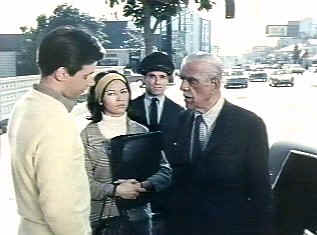
While “Targets” presents the story of a moral crossroads, it also represents a cinematic crossroads — the end of the brilliant Boris Karloff’s career and the start of Peter Bogdanovich’s.
In his writing and directing debut, Bogdanovich crafts this cautionary, semi-autobiographical tale of aging horror movie star Byron Orlok (played by Karloff), who decides to leave the business when he realizes his life’s work can’t compare to the real horrors taking place on America’s streets everyday. The clips of Orlok’s past work are taken from the classic performances of Karloff, and to complete the real-life parallels, Bogdanovich even casts himself as the young director making Orlok’s last film. There is also a parallel plot concerning a troubled young man who goes on a shooting spree that is sadly all too familiar in our post-Columbine world. These two plot strands cross when the young shooter takes refuge in a drive-in theater that turns out to be the site of Orlok’s last public appearance before retirement.
This film offers an interesting exploration of the role of the entertainment media in the social upheaval of the late-’60s (it was released in the late spring of 1968, shortly after the assassination of Martin Luther King, but before the shooting of Robert Kennedy) that has grown even more prescient today. And Bogdanovich challeges the viewer by filming from the point of view of the shooter, putting the audience in the killer’s shoes.
Despite his obviously failing health, Karloff gives the strongest, most human portrayal of a career marked my more depth than most horror actors’. In a perfect world, this swan song performance would’ve been recognized with an Oscar. Instead, the poverty-stricken Karloff followed his performance here with appearances (confined to a wheelchair) in a quartet of bad Mexican cheapies, filmed over the course of a couple weeks, before dying in 1969. But forget those duds — this is the true, final summation of one of the truly great acting careers in film.
Best Line:
Karloff’s summation, “Is that what I was afraid of?”
Best Bit:
The staging of the freeway shooting scene.
Side Notes:
1) Bogdanovich originally offered the lead role to Vincent Price, who turned it down. 2) The film showing in the drive-in at the end of the movie is “The Terror” (1963), in which Karloff costarred with a young Jack Nicholson. 3) The victim who dies in the phone booth is none other than Mike Farrell, who went on to a more distinguished career in television, starring in “M*A*S*H” and “Providence.”
Companion Viewing:
Two of this film’s cinematic descendents — “Taxi Driver” (1976) and “Natural Born Killers” (1994).
Links:
IMDb.
Wikipedia.
Horror-Wood.
Take a Look:
A kinda spoiler-y TV spot:
Here’s Boris Karloff spinning a classic scary tale:
And then there’s this…
Guest Blog: Vince’s Quiz.
Today we have a guest blog from Vince, the proprietor of Vince’s Quiz. He’s a man of few words, so let’s get right to it. Leave your guesses in the comments. And, if you want to try for the extra credit, you can guess why he chose these nine in particular. Answers to follow in a couple of weeks, or sooner if there are a lot of guesses. Good luck!
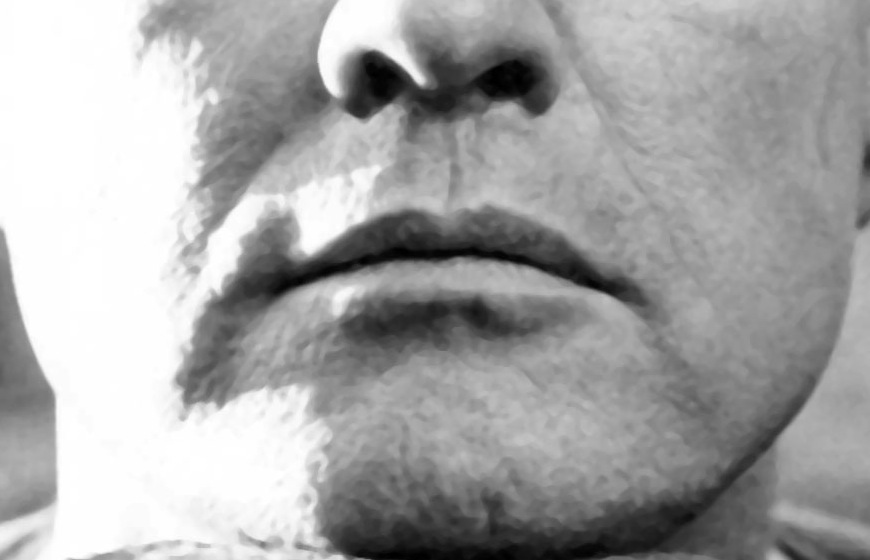
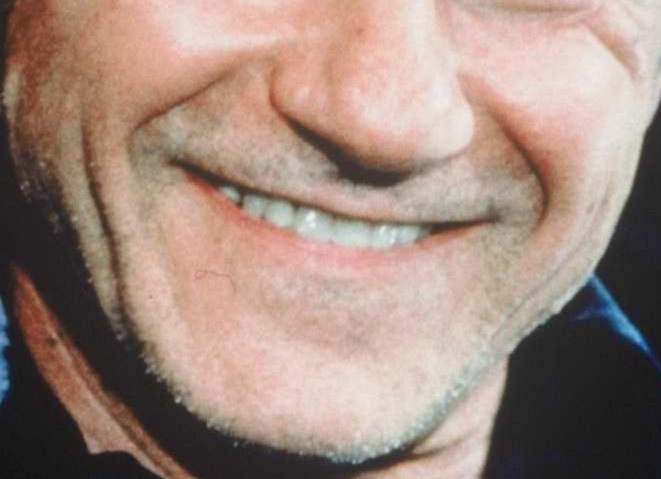
Who are these actors ? / Qui sont ces acteurs ?
1. 
2. 
3. 
4. 
5. 
6. 
7. 
8. 
9. 
 Desuko Movie Spot.